
African Mahogany is a long-term investment option for those who want to diversify their investments. This wood is highly appreciated in the European and North American markets.
Thanks to the high added value of its final product and a high productivity of well managed forests, therefore. African mahogany has gradually conquered the hardwood market.
What is African mahogany wood used for?
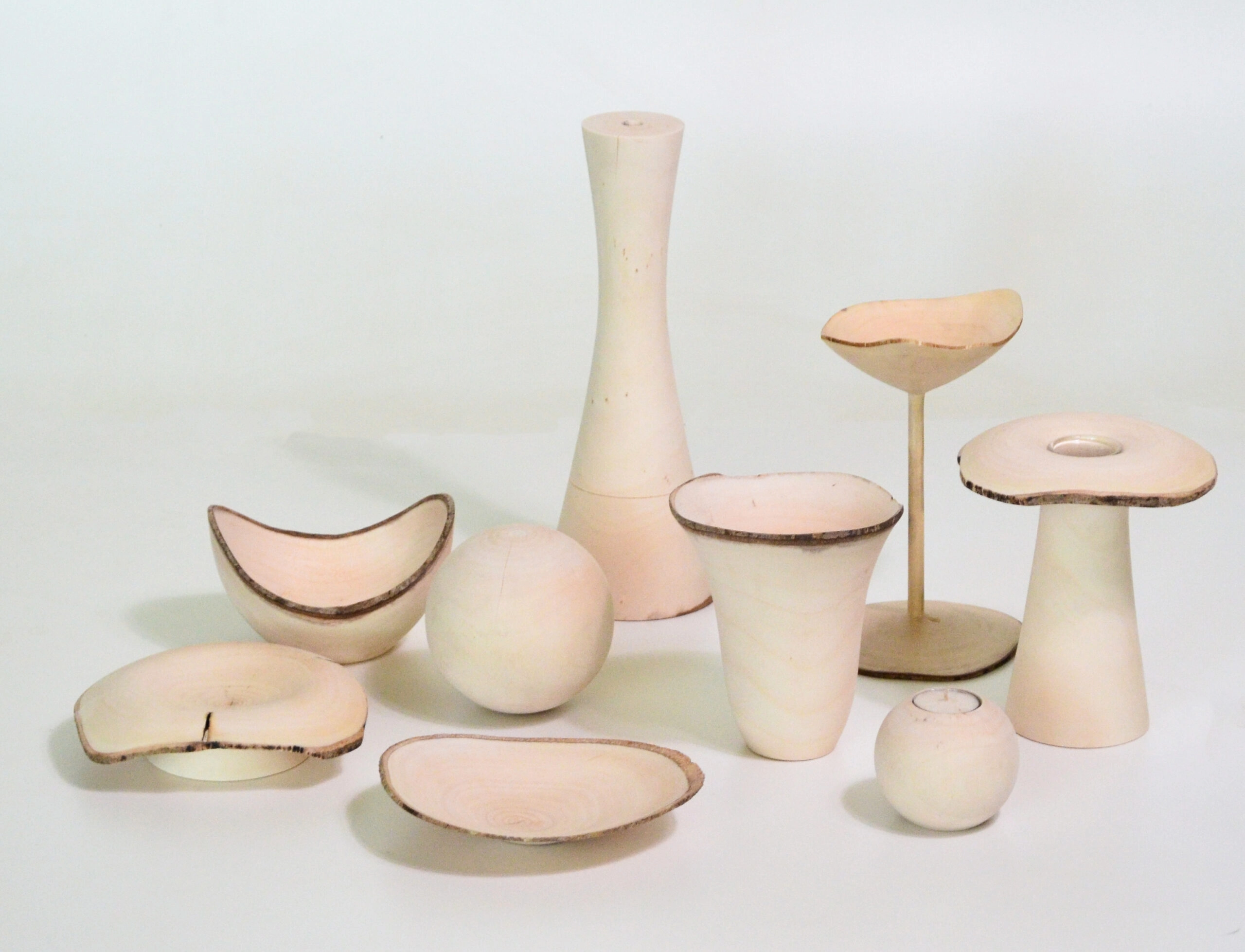
African Mahogany wood is used for several commercial purposes, due to its rare appearance and beauty. Discover some advantages of the African Mahogany lumber market.
It is generally used to:
• Manufacture of furniture;
• Luxury vehicle finishes;
• Sophisticated ornamental pieces, such as ornaments and sculptures;
• Shipbuilding: construction of ships and boats (yachts, speedboats, canoes and excavated);
• Joinery: boxes, decorative cases, plywood, laminates, window frames, panels, doors and stairs, light constructions, light floors;
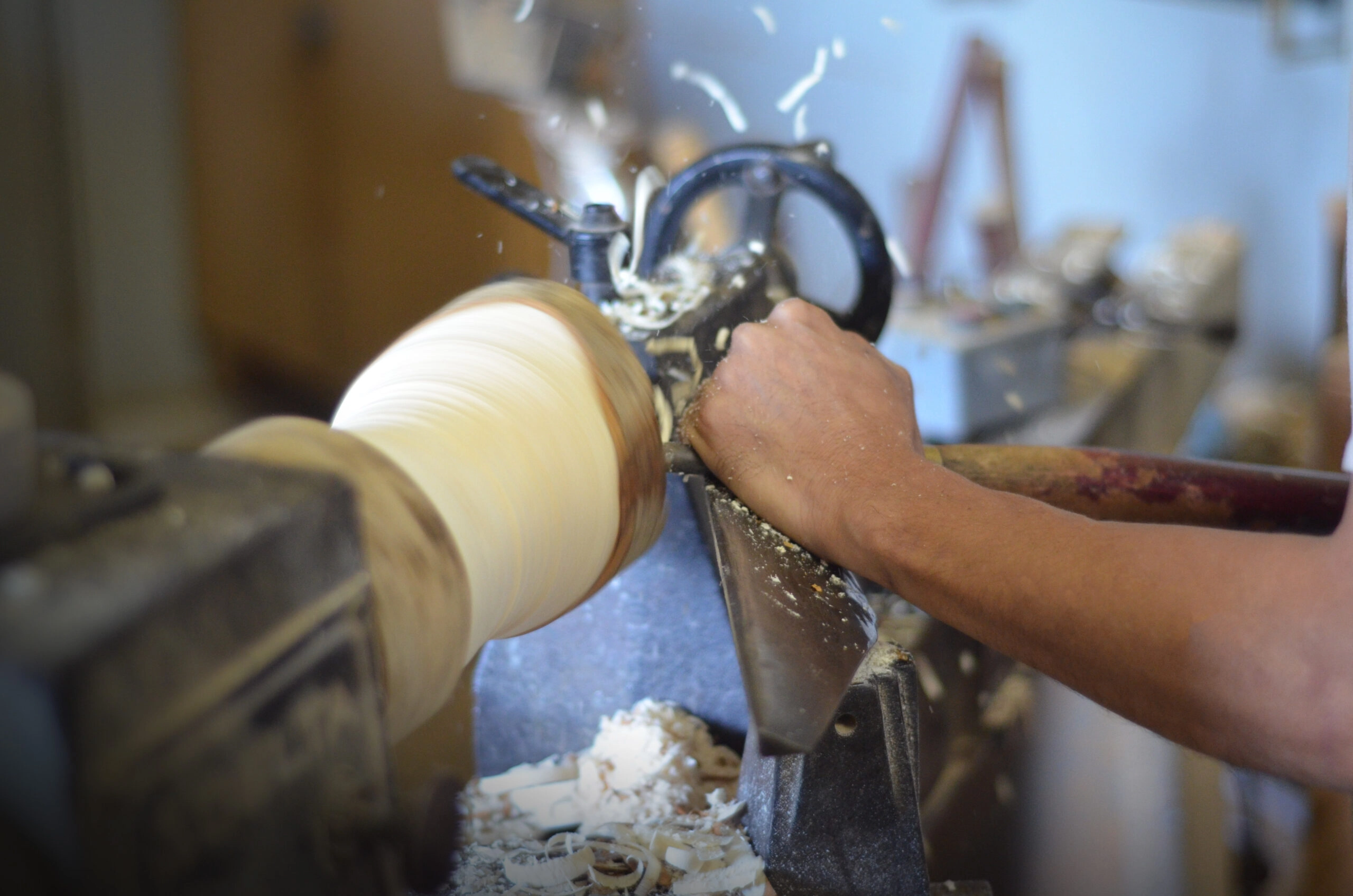
• Other purposes: musical and sporting instruments, toys, precision instruments, carvings, turning, luxury accessories such as rings, glasses and others.
How to get high quality wood?
With regard to forest management, to obtain high quality and large diameter wood, it is recommended to analyze the region to verify the economic and forestry viability of the area.
In this study, it is possible to determine if the characteristics meet the necessary prerequisites for the development of the species and if there are sufficient resources to obtain the maximum potential for forest production and, therefore, it’s profitability.
After proper soil research and analysis, the land must be corrected and prepared for planting seedlings in the field. When using a spacing of 3 x 2 or 3.5 x 1.7 meters (1666 plants per hectare in total), the producer must carry out the management recommended in forest planning. The shallow cut usually occurs from the age of 17.
What are the Differences of African Mahogany?
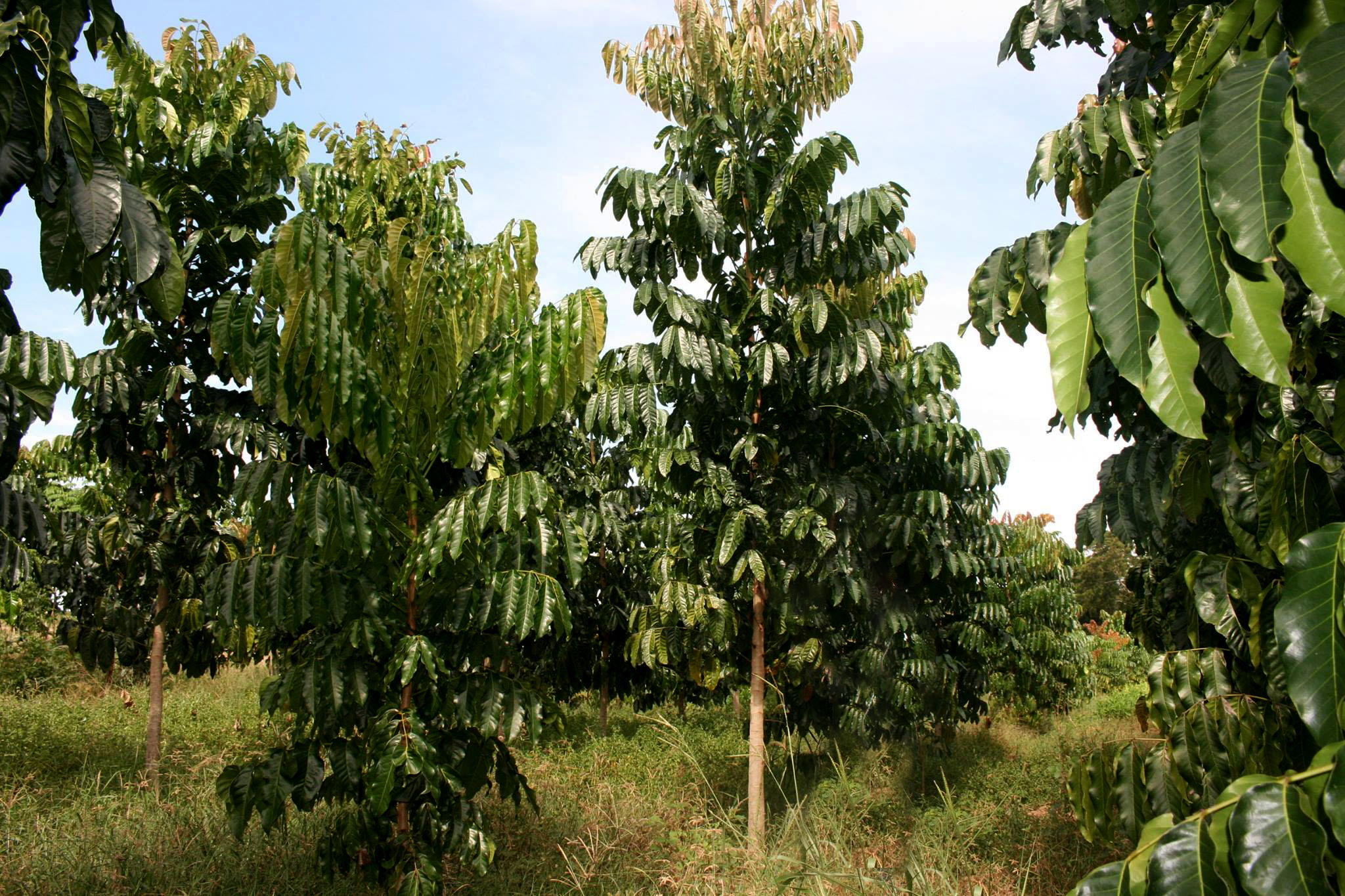
African mahogany has differences that make this species suitable for commercial afforestation. Its highlight is the beauty of the wood, the ease of handling and the value of the final product.
Wood: Wood is beautiful and very durable. The tree is large and can reach a height of 40 to 50 meters, and the diameter of the breast height (DBH) can reach 200 cm. The sapwood is yellowish brown and the heartwood is yellowish brown to reddish brown.
Planting: African mahogany is highly resistant to planting, as it resists common pests and diseases of other species (such as other insects). However, the biggest concern with planting mahogany are leaf-cutting ants and shrubs that can grow to compete with the forest. These two points are easily controlled by insecticides and regular weeding.
Profitability: the payback occurs around the age of 13 or 15, which is when the wood reaches its biological maturity, that is, its core is formed. After the clear cut, the profit may exceed half a million reais.
Market: The demand for this tree is high. Wood is very popular in the United States, Europe and China due to its quality and uses for different purposes. For example, it can be used for civil construction, shipbuilding, musical instruments, furniture, delicate finishes, etc.
How much does the cubic meter of African mahogany cost on the international market?
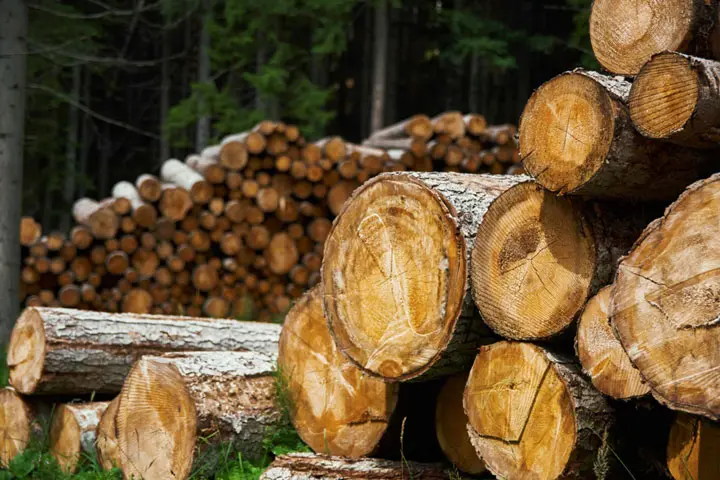
The price per cubic meter of African mahogany wood varies according to the diameter of the log. Based on market studies, the value of the wood was estimated between 200-400 euros for logs with smaller diameters and 500-600 euros per cubic meter for logs (standing) with larger diameters.
What are the advantages of African Mahogany?
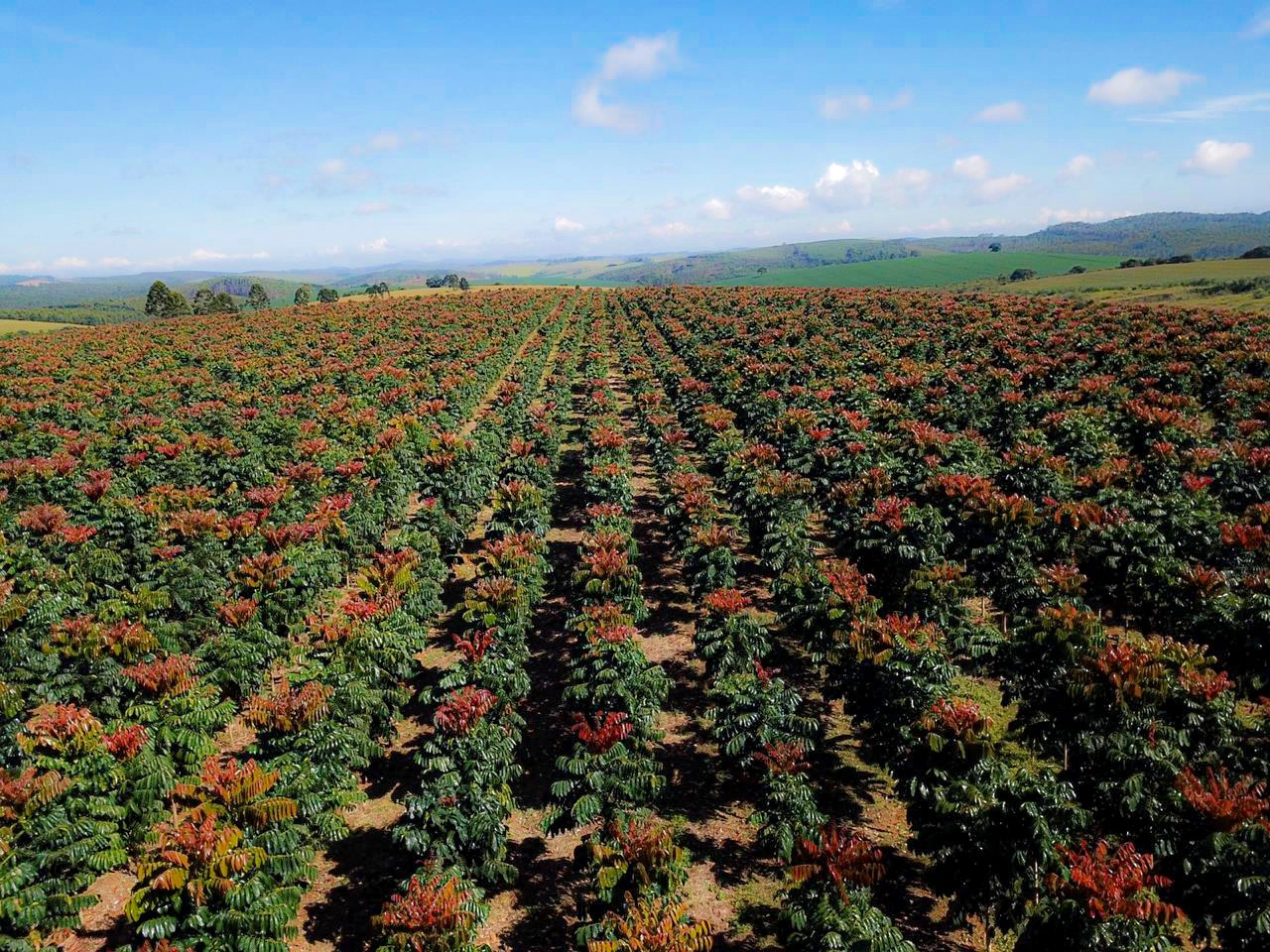
The biological characteristics of African mahogany are one of its main advantages.
The straightest trunk (shaft) helps to make better use of logs that are converted into sawn wood, reducing the rate of wood loss. The incidence of branches of this plant is still low, which reduces the number of knots, that is, the wood produced is more uniform and durable.
Considering the advantages of African mahogany in comparison with other species of hardwood, it is precisely from 13 to 15 years old that the heartwood (the hard part of the wood) is formed and then rapid biological maturation occurs.

Recent Comments